F1 Championship circuits
The Formula1 circuits.
Circuits by name Circuits by first F1 race
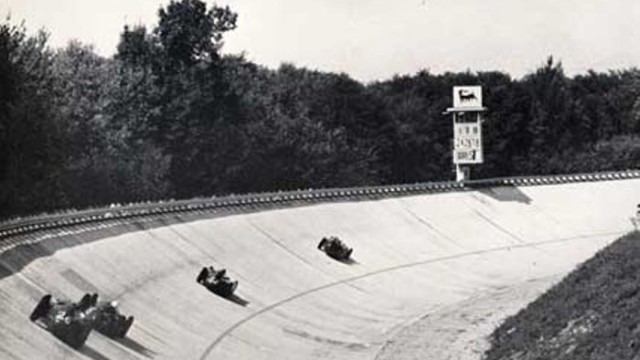
Autodromo Nazionale Monza
Monza Italy
Italy
Type: race circuit
Race: Italian Grand Prix
Seasons: 1950–1979, 1981–2011
Races held: 60
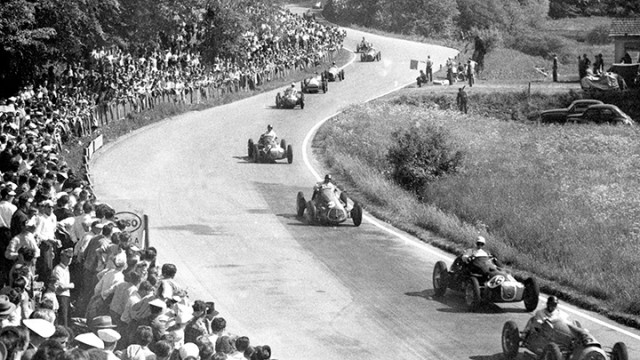
Circuit Bremgarten
Bremgarten Switzerland
Type: road circuit
Race: Swiss Grand Prix
Seasons: 1950–1954
Races held: 5
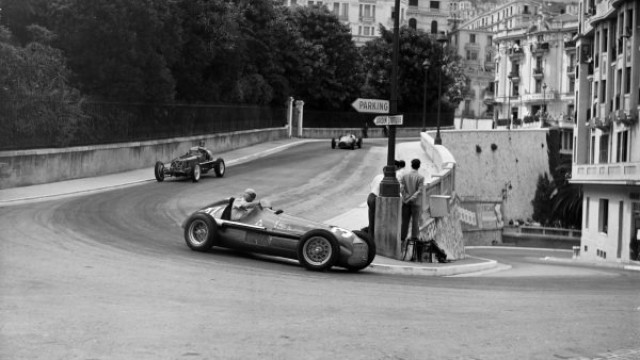
Circuit de Monaco
Monaco Monaco
Type: street circuit
Race: Monaco Grand Prix
Seasons: 1950, 1955–present
Races held: 58
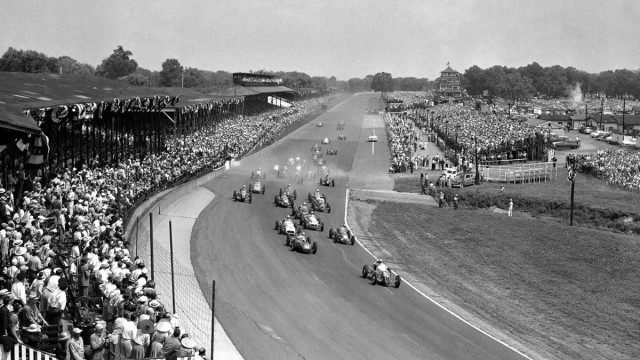
Indianapolis Motor Speedway
Speedway USA
USA
Type: race circuit
Race: Indianapolis 500 and
United States Grand Prix
Seasons: 1950–1960
2000–2007
Races held: 19
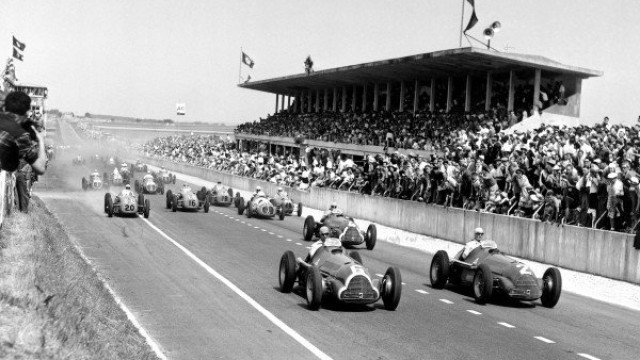
Reims-Gueux
Reims France
Type: road circuit
Race: French Grand Prix
Seasons: 1950–1951, 1953–1954, 1956, 1958–1961, 1963, 1966
Races held: 11
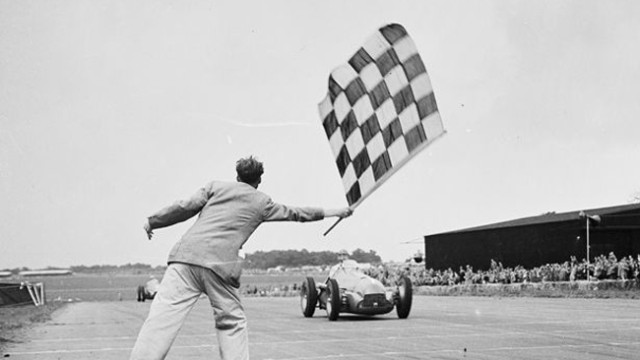
Silverstone Circuit
Silverstone UK
UK
Type: race circuit
Races: British Grand Prix and 70th Anniversary Grand Prix
Seasons: 1950–1954, 1956, 1958, 1960, 1963, 1965, 1967, 1969, 1971, 1973, 1975, 1977, 1979, 1981, 1983, 1985, 1987–2011
Races held: 45
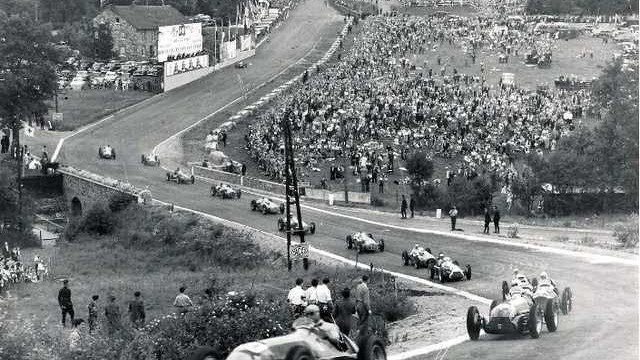
Spa-Francorchamps
Spa Belgium
Type: road/race circuit
Races: Belgian Grand Prix
Seasons: 1950–1970, 1983, 1985–2002, 2004–2005, 2007–2011
Races held: 46
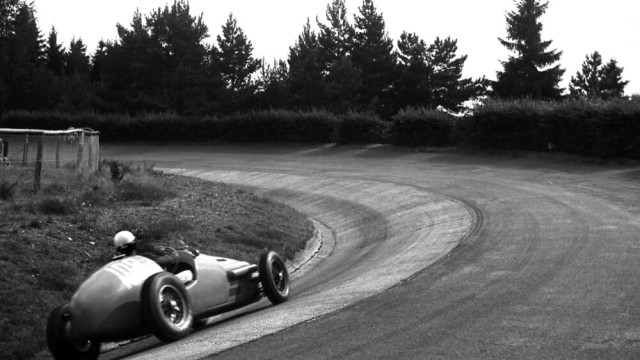
Nürburgring
Nürburg Germany
Type: road/race circuit
Races: German Grand Prix, European Grand Prix, Luxembourg Grand Prix and Eifel Grand Prix
Seasons: 1951–1958, 1961–1969, 1971–1976, 1984–1985, 1995–2007, 2009, 2011, 2020
Races held: 39
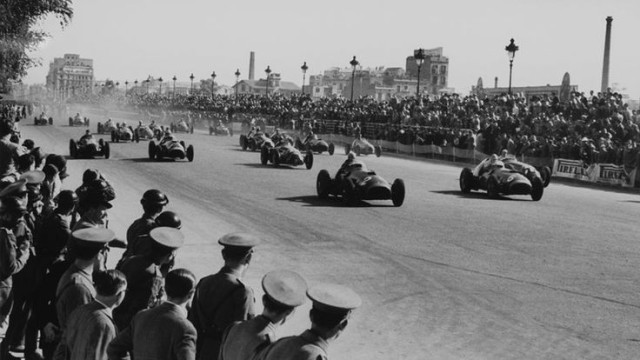
Pedralbes Circuit
Barcelona Spain
Spain
Type: street circuit
Races: Spanish Grand Prix
Seasons: 1951, 1954
Races held: 2
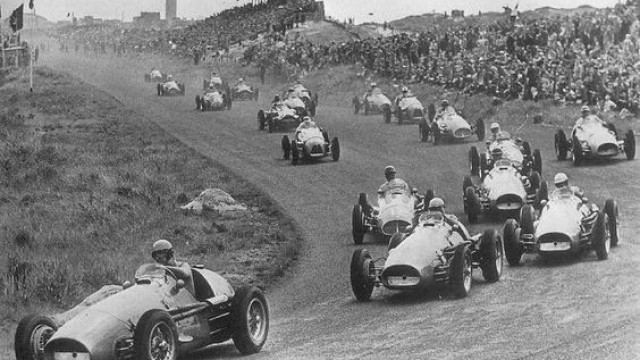
Circuit Park Zandvoort
Zandvoort Netherlands
Type: race circuit
Races: Dutch Grand Prix
Seasons: 1952–1953, 1955, 1958–1971, 1973–1985
Races held: 30
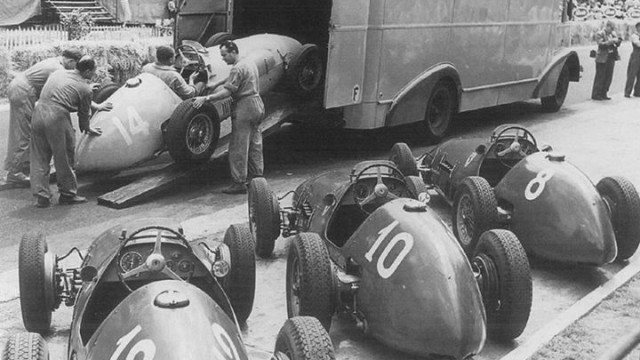
Rouen-Les-Essarts
Rouen France
Type: road circuit
Races: French Grand Prix
Seasons: 1952, 1957, 1962, 1964, 1968
Races held: 5
Autódromo Oscar Alfredo Gálvez
Buenos Aires Argentina
Type: road circuit
Races: Argentine Grand Prix
Seasons: 1953–1958, 1960, 1972–1975, 1977–1981, 1995–1998
Races held: 20
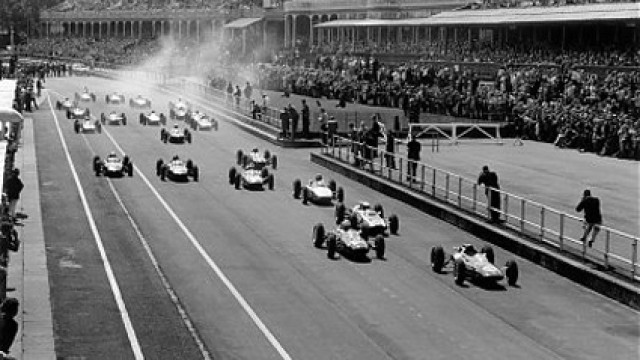
Aintree
Liverpool UK
Type: road circuit
Races: British Grand Prix
Seasons: 1955, 1957, 1959, 1961–1962
Races held: 5
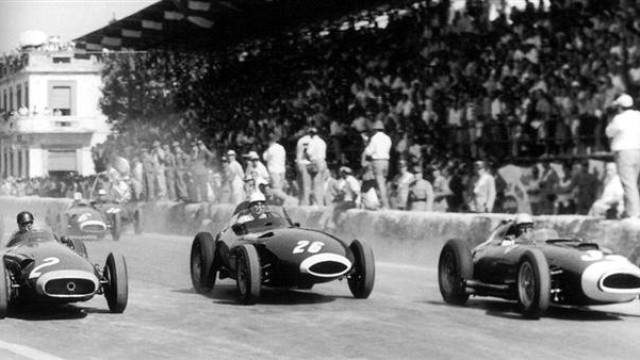
Pescara Circuit
Pescara Italy
Type: road circuit
Races: Pescara Grand Prix
Seasons: 1957
Races held: 1
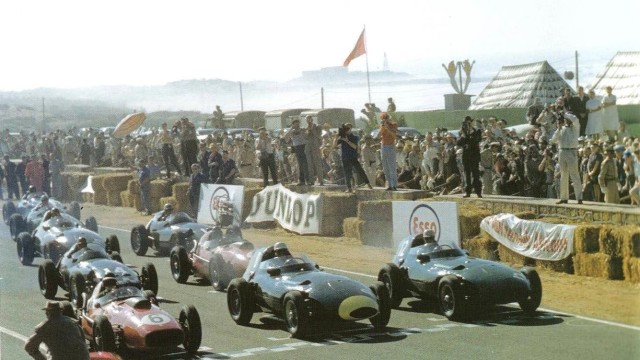
Ain-Diab
Casablanca Morocco
Type: road circuit
Races: Moroccan Grand Prix
Seasons: 1958
Races held: 1
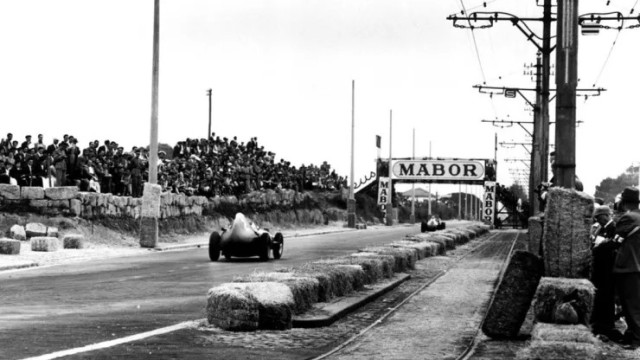
Circuito da Boavista
Porto Portugal
Type: street circuit
Races: Portuguese Grand Prix
Seasons: 1958, 1960
Races held: 2
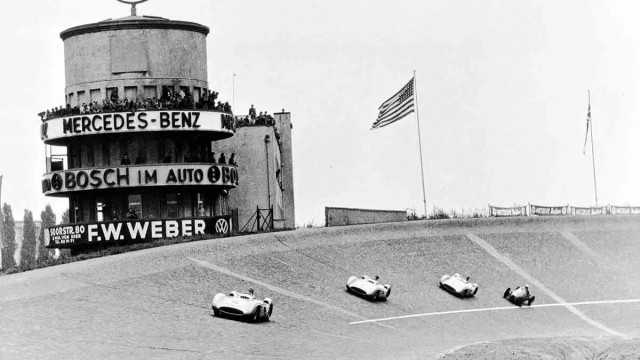
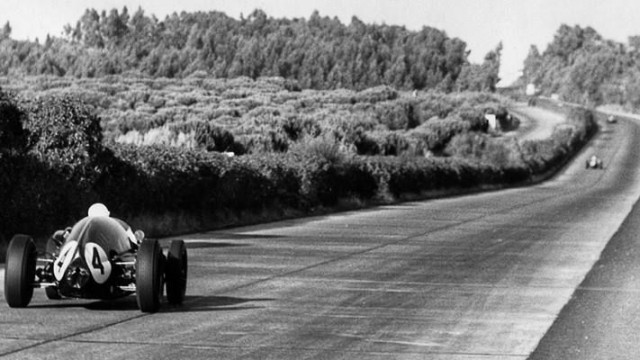
Monsanto Park
Lisbon Portugal
Type: street circuit
Races: Portuguese Grand Prix
Seasons: 1959
Races held: 1
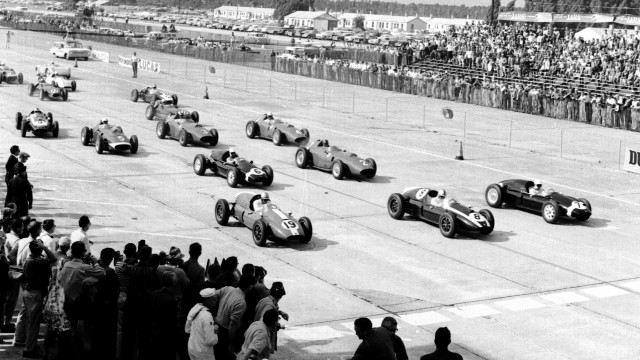
Sebring International Raceway
Sebring USA
Type: road circuit
Races: United States Grand Prix
Seasons: 1959
Races held: 1
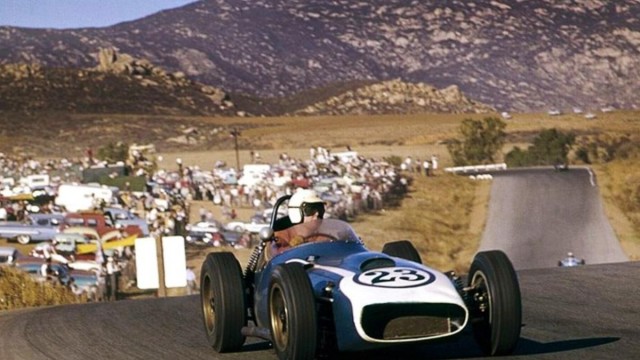
Riverside International Raceway
Riverside USA
Type: race circuit
Races: United States Grand Prix
Seasons: 1960
Races held: 1
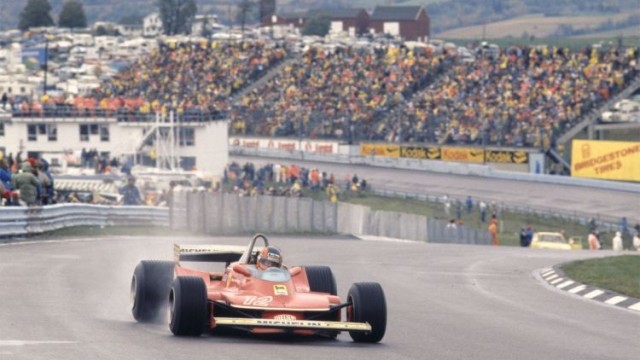
Watkins Glen
Watkins Glen USA
Type: road circuit
Races: United States Grand Prix
Seasons: 1961–1980
Races held: 20
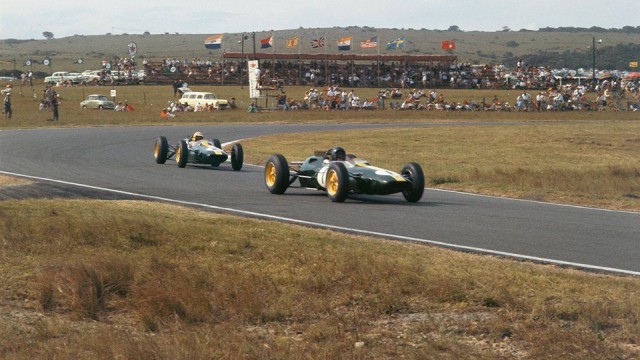
Prince George Circuit
East London South Africa
Type: race circuit
Races: South African Grand Prix
Seasons: 1962–1963, 1965
Races held: 3
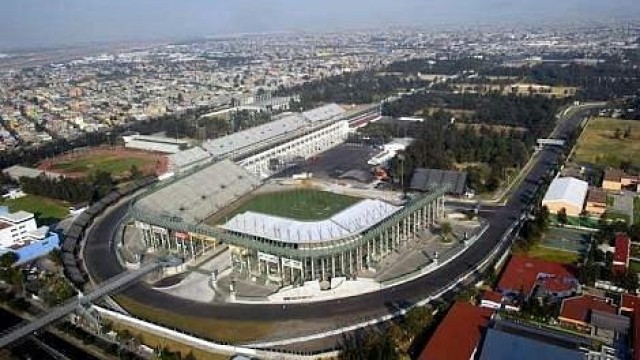
Autódromo Hermanos Rodríguez
Mexico City Mexico
Type: race circuit
Races: Mexican Grand Prix
Seasons: 1963–1970, 1986–1992
Races held: 15
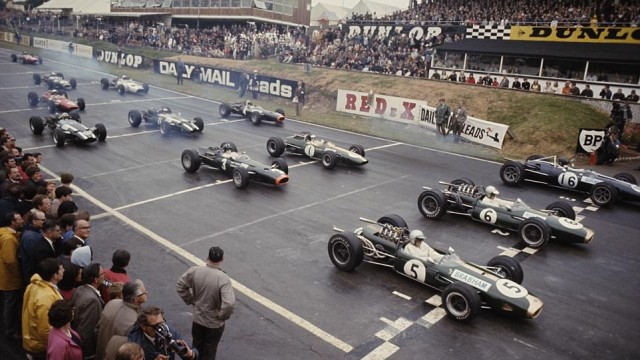
Brands Hatch
Kent UK
Type: race circuit
Races: British Grand Prix and European Grand Prix
Seasons: 1964, 1966, 1968, 1970, 1972, 1974, 1976 1978, 1980, 1982–1986
Races held: 14
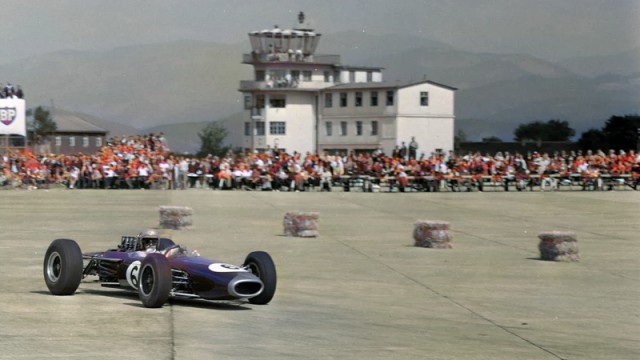
Zeltweg Airfield
Zeltweg Austria
Type: road circuit
Races: Austrian Grand Prix
Seasons: 1964
Races held: 1
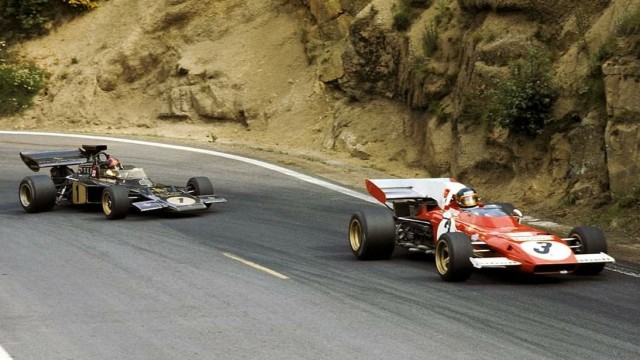
Circuit Charade
Clermont-Ferrand France
Type: road circuit
Races: French Grand Prix
Seasons: 1965, 1969–1970, 1972
Races held: 4
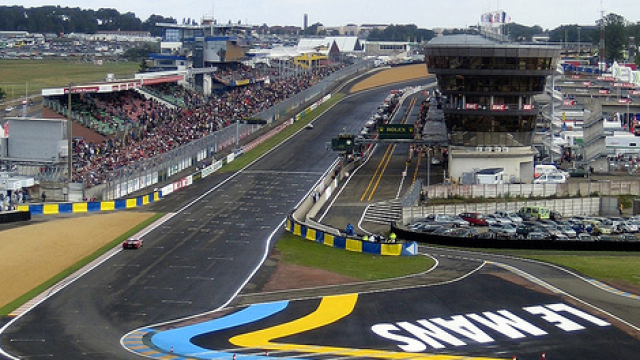
Bugatti Circuit
Le Mans France
Type: race circuit
Races: French Grand Prix
Seasons: 1967
Races held: 1
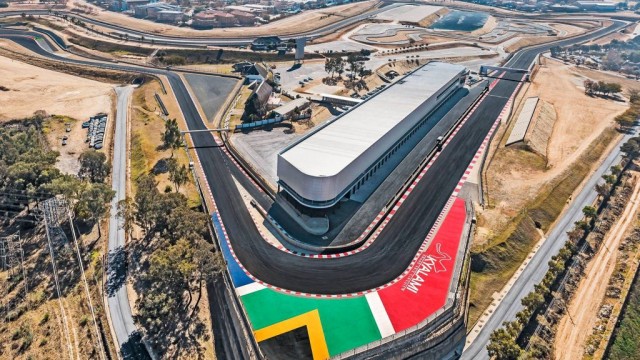
Kyalami
Midrand, Gauteng South Africa
Type: race circuit
Races: South African Grand Prix
Seasons: 1967–1985, 1992–1993
Races held: 21
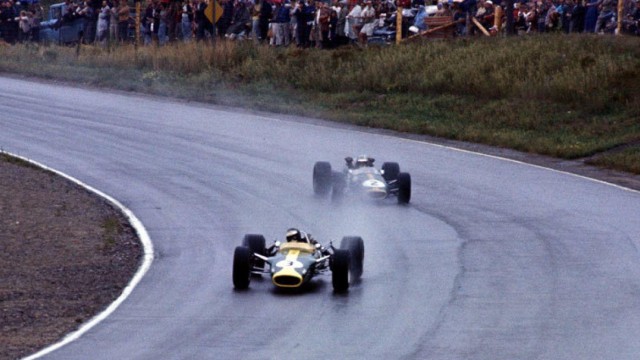
Mosport International Raceway
Bowmanville Canada
Type: race circuit
Races: Canadian Grand Prix
Seasons: 1967, 1969, 1971–1977
Races held: 8
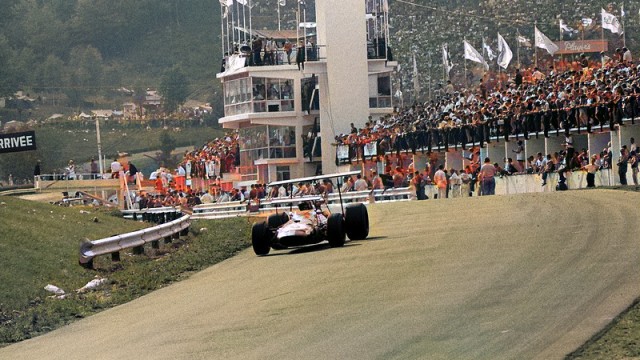
Circuit Mont-Tremblant
Mont-Tremblant, Quebec Canada
Type: race circuit
Races: Canadian Grand Prix
Seasons: 1968, 1970
Races held: 2
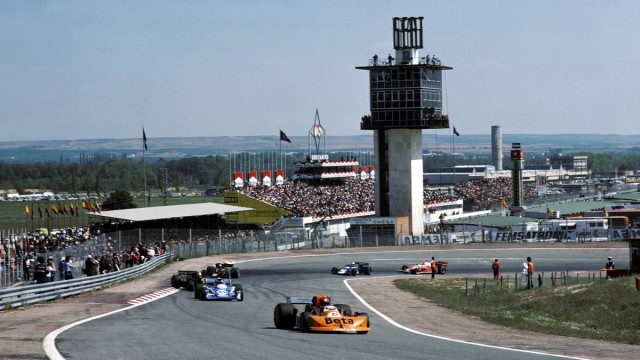
Circuito Permanente Del Jarama
Jarama Spain
Type: race circuit
Races: Spanish Grand Prix
Seasons: 1968, 1970, 1972, 1974, 1976–1979, 1981
Races held: 9
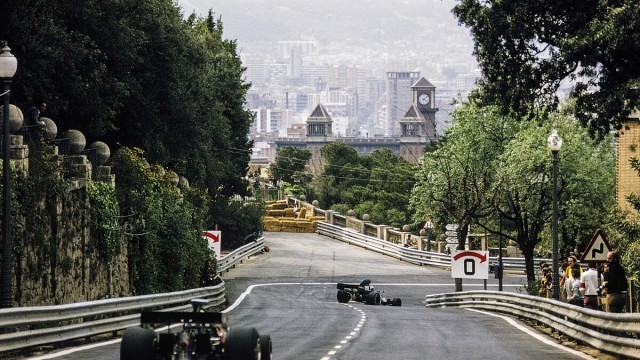
Montjuïc circuit
Barcelona Spain
Type: street circuit
Races: Spanish Grand Prix
Seasons: 1969, 1971, 1973, 1975
Races held: 4
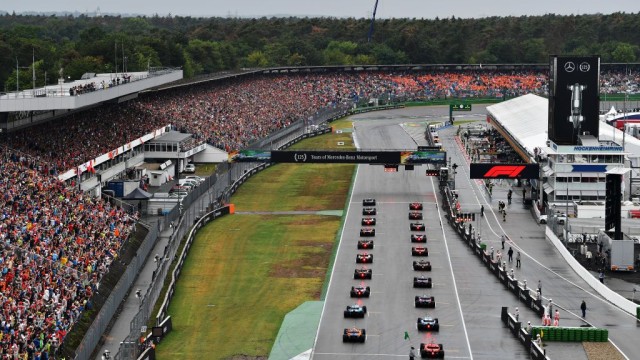
Hockenheimring
Hockenheim Germany
Type: road/race circuit
Races: German Grand Prix
Seasons: 1970, 1977–1984, 1986–2006, 2008, 2010
Races held: 32
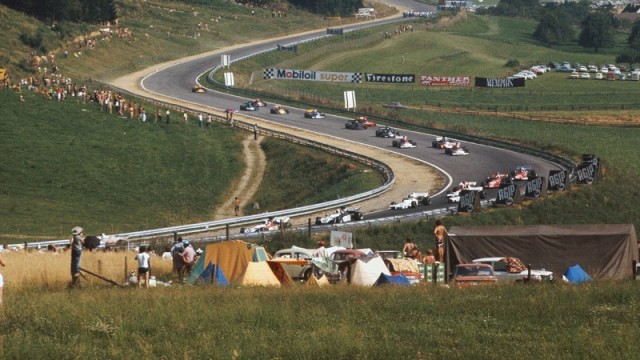
Red Bull Ring / Österreichring / A1-Ring
Zeltweg Austria
Type: race circuit
Races: Austrian Grand Prix and Styrian Grand Prix (2020–2021)
Seasons: 1970–1987, 1997–2003, 2014–present
Races held: 25
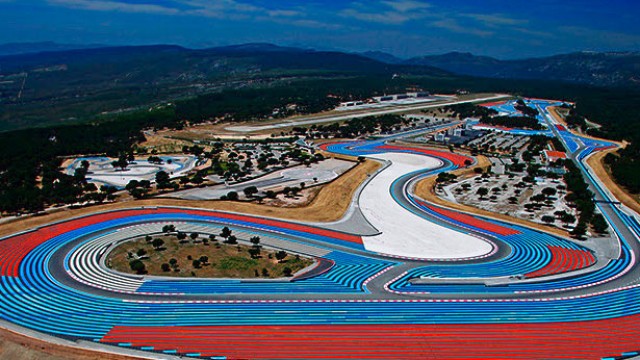
Circuit Paul Ricard
Castellet France
Type: race circuit
Races: French Grand Prix
Seasons: 1971, 1973, 1975–1976, 1978, 1980, 1982–1983, 1985–1990
Races held: 14
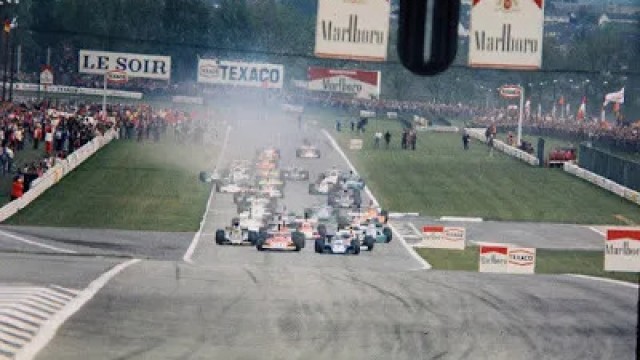
Nivelles-Baulers
Nivelles Belgium
Type: race circuit
Races: Belgian Grand Prix
Seasons: 1972, 1974
Races held: 2
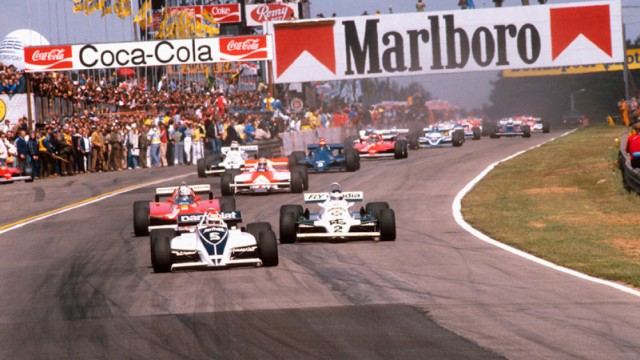
Circuit Zolder
Heusden-Zolder Belgium
Type: race circuit
Races: Belgian Grand Prix
Seasons: 1973, 1975–1982, 1984
Races held: 10
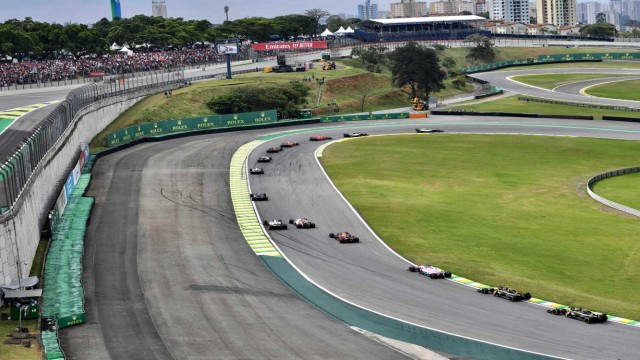
Interlagos / Autódromo José Carlos Pace
São Paulo Brazil
Type: race circuit
Races: Brazilian Grand Prix
Seasons: 1973–1977, 1979–1980, 1990–2011, 2021–present
Races held: 28
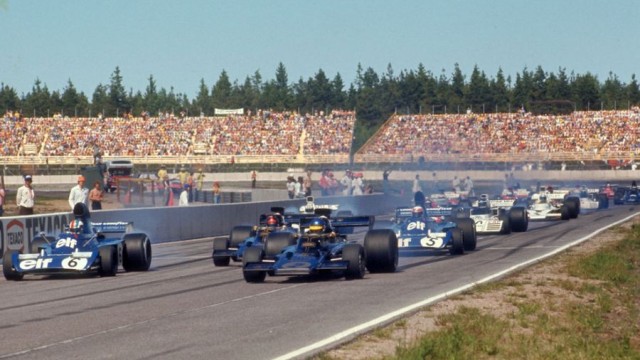
Scandinavian Raceway
Anderstorp Sweden
Type: race circuit
Races: Swedish Grand Prix
Seasons: 1973–1978
Races held: 6
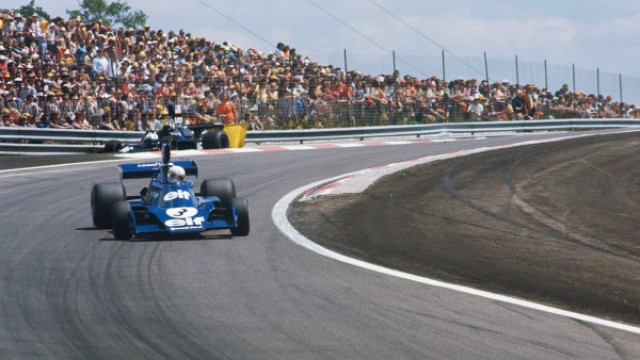
Dijon-Prenois
Dijon France
Type: race circuit
Races: French Grand Prix and Swiss Grand Prix
Seasons: 1974, 1977, 1979, 1981–1982, 1984
Races held: 6
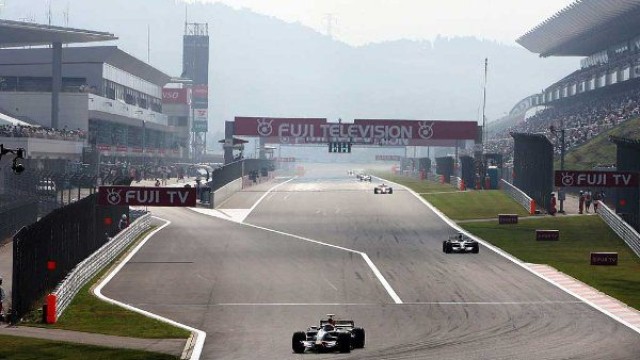
Fuji Speedway
Shizuoka Japan
Japan
Type: race circuit
Races: Japanese Grand Prix
Seasons: 1976–1977, 2007–2008
Races held: 4
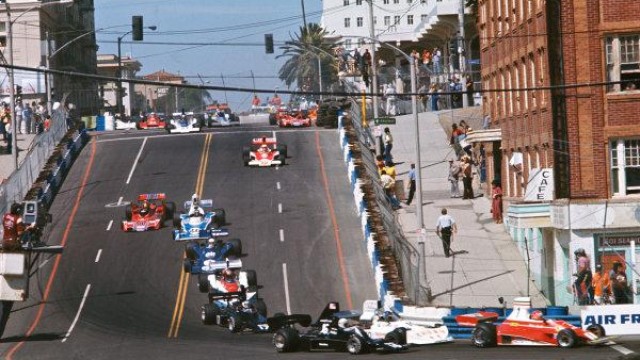
Long Beach street circuit
Long Beach USA
Type: street circuit
Races: United States Grand Prix West
Seasons: 1976–1983
Races held: 8
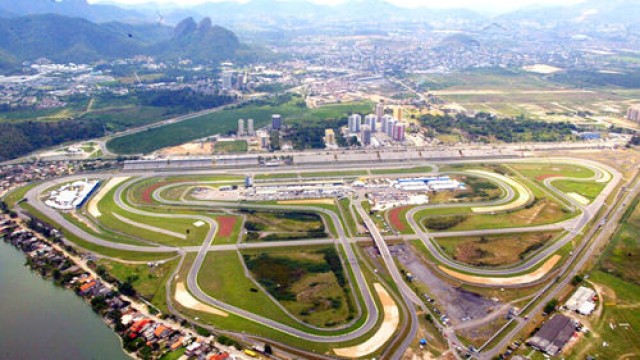
Autódromo Internacional Nelson Piquet / Jacarepaguà
Rio de Janeiro Brazil
Type: race circuit
Races: Brazilian Grand Prix
Seasons: 1978, 1981–1989
Races held: 10
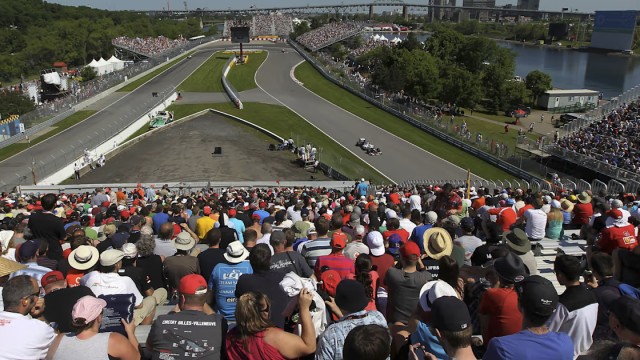
Circuit Gilles Villeneuve
Montréal Canada
Type: road/race circuit
Races: Canadian Grand Prix
Seasons: 1978–1986, 1988–2008, 2010–2011
Races held: 31
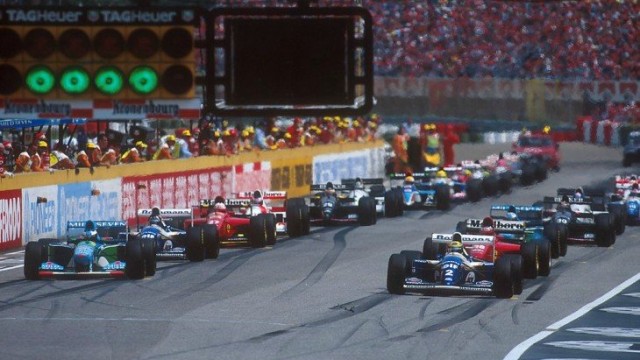
Imola / Autodromo Enzo e Dino Ferrari
Imola Italy
Type: race circuit
Races: San Marino Grand Prix and Italian Grand Prix
Seasons: 1980–2006, , 2020–present
Races held: 26
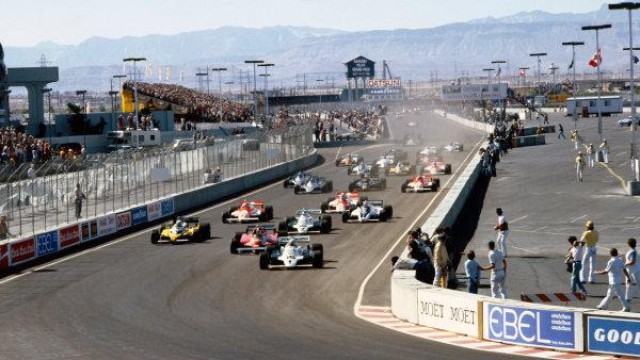
Caesar's Palace
Las Vegas USA
Type: street circuit
Races: Caesars Palace Grand Prix
Seasons: 1981–1982
Races held: 2
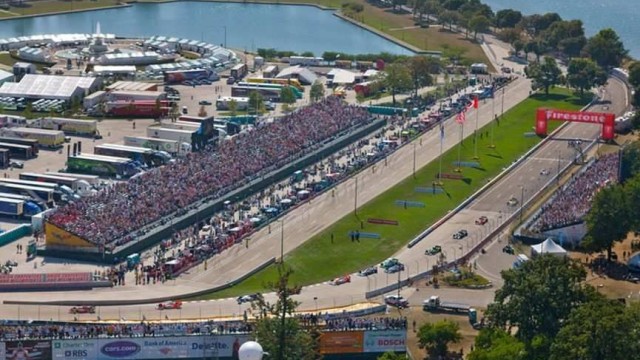
Detroit street circuit
Detroit USA
Type: street circuit
Races: Detroit Grand Prix
Seasons: 1982–1988
Races held: 7
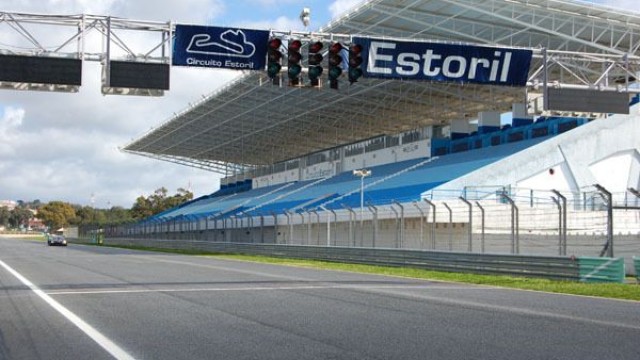
Autódromo do Estoril
Estoril Portugal
Type: race circuit
Races: Portuguese Grand Prix
Seasons: 1984–1996
Races held: 13
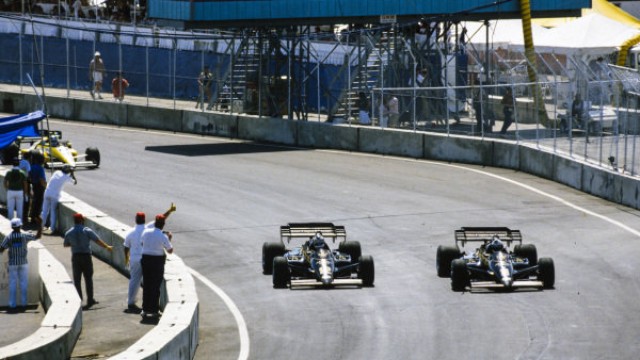
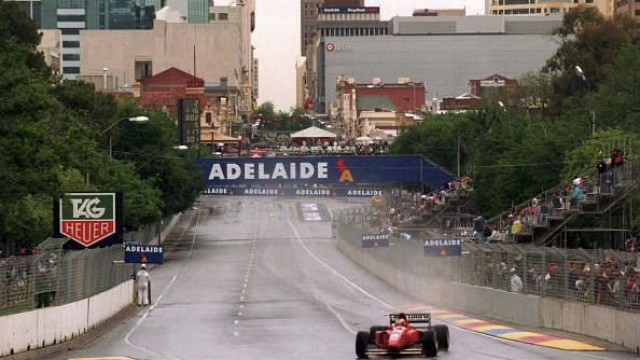
Adelaide Street Circuit
Adelaide Australia
Type: street circuit
Races: Australian Grand Prix
Seasons: 1985–1995
Races held: 11
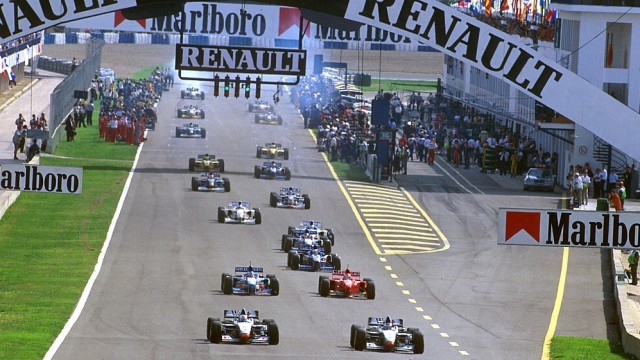
Circuito Permanente de Jerez
Jerez de la Frontera Spain
Type: race circuit
Races: Spanish Grand Prix and European Grand Prix
Seasons: 1986–1990, 1994, 1997
Races held: 7
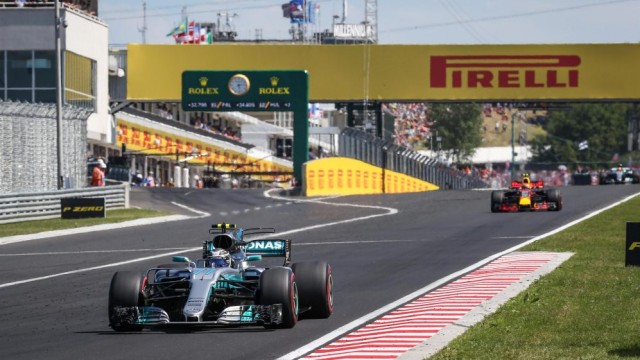
Hungaroring
Mogyoród (near Budapest) Hungary
Type: race circuit
Races: Hungarian Grand Prix
Seasons: 1986–2020
Races held: 26
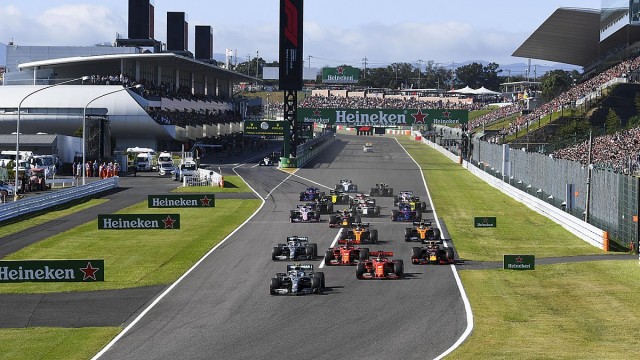
Suzuka Circuit
Suzuka Japan
Type: race circuit
Races: Japanese Grand Prix
Seasons: 1987–2006, 2009–2019
Races held: 31
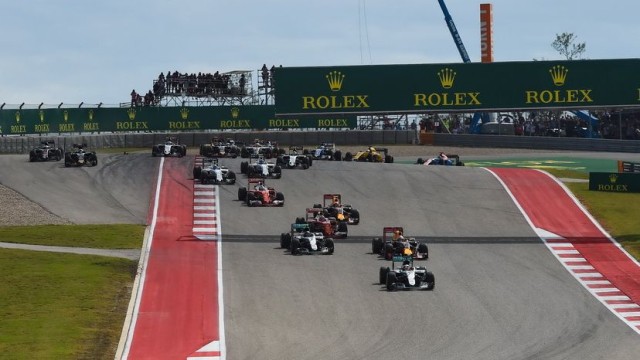
Phoenix street circuit
Phoenix USA
Type: street circuit
Races: United States Grand Prix
Seasons: 1989–1991
Races held: 3
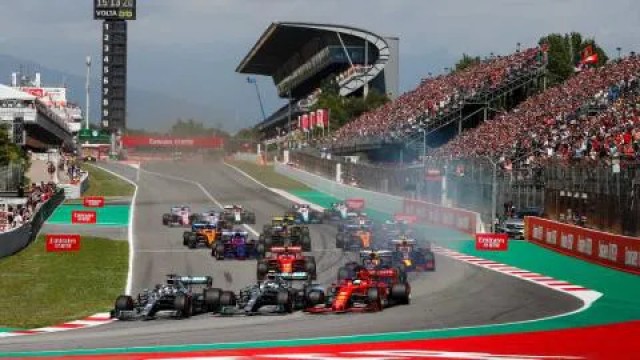
Circuit de Catalunya
Montmeló Spain
Type: race circuit
Races: Spanish Grand Prix
Seasons: 1991–present
Races held: 21
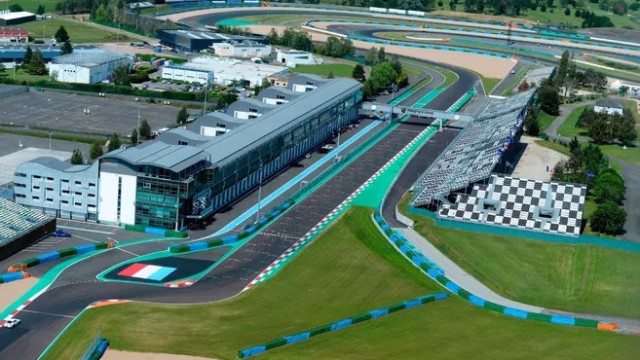
Magny-Cours Circuit
Nevers France
Type: race circuit
Races: French Grand Prix
Seasons: 1991–2008
Races held: 18
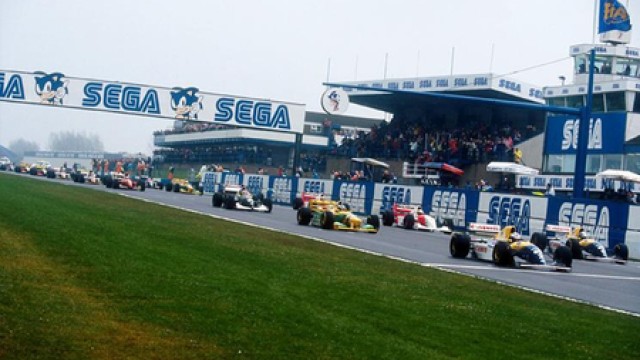
Donington Park
Leicestershire UK
Type: race circuit
Races: European Grand Prix
Seasons: 1993
Races held: 1
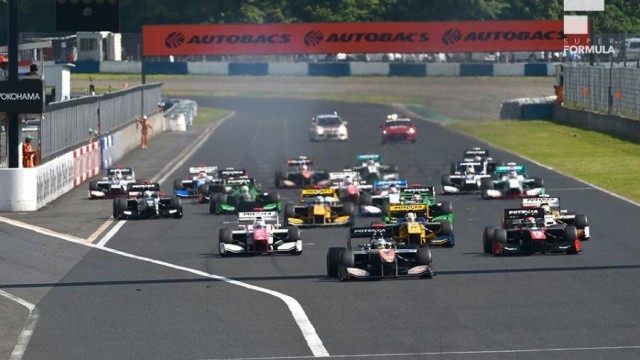
Tanaka International Circuit / Okayama
Aida Japan
Type: race circuit
Races: Pacific Grand Prix
Seasons: 1994–1995
Races held: 2
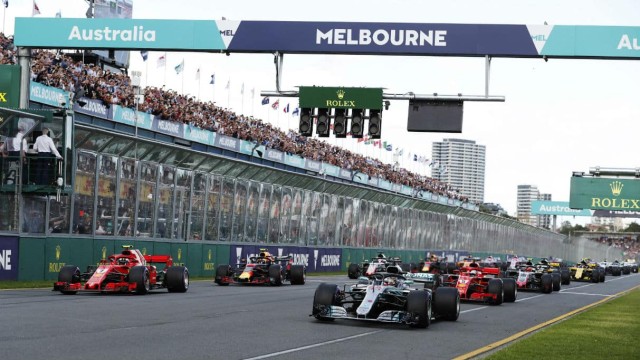
Albert Park
Melbourne Australia
Type: street circuit
Races: Australian Grand Prix
Seasons: 1996–2011
Races held: 16
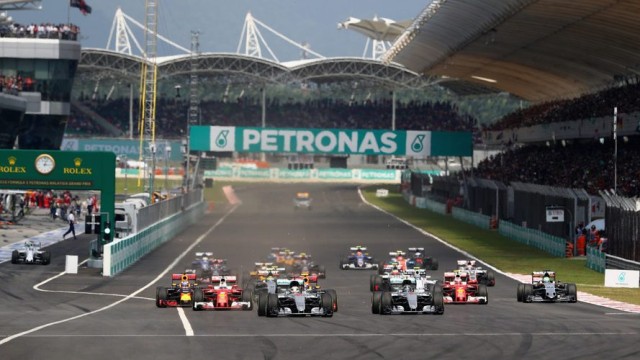
Sepang International Circuit
Kuala Lumpur Malaysia
Type: race circuit
Races: Malaysian Grand Prix
Seasons: 1999–2011
Races held: 13
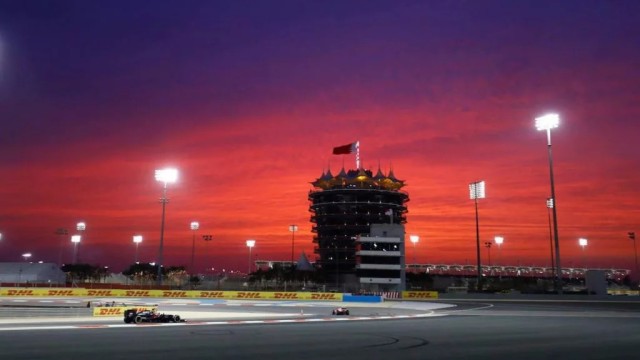
Bahrain International Circuit
Sakhir Bahrain
Type: race circuit
Races: Bahrain Grand Prix and Sakhir Grand Prix
Seasons: 2004–2010, 2012–present
Races held: 17
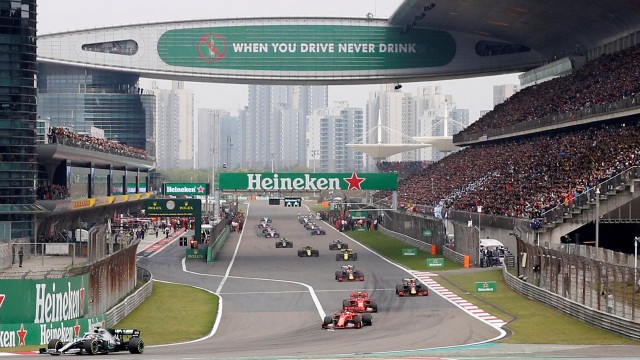
Shanghai International Circuit
Shanghai China
China
Type: race circuit
Races: Chinese Grand Prix
Seasons: 2004–2011
Races held: 8
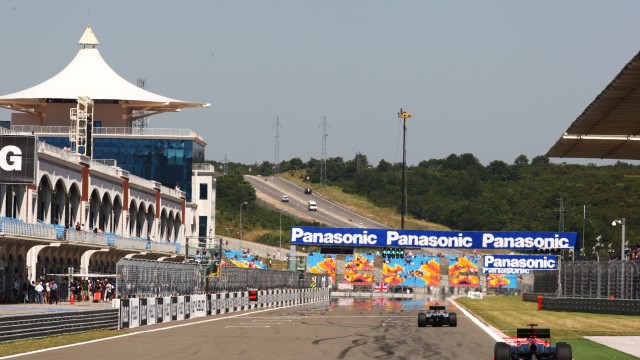
Istanbul Park
Istanbul Turkey
Type: race circuit
Races: Turkish Grand Prix
Seasons: 2005–2011
Races held: 7
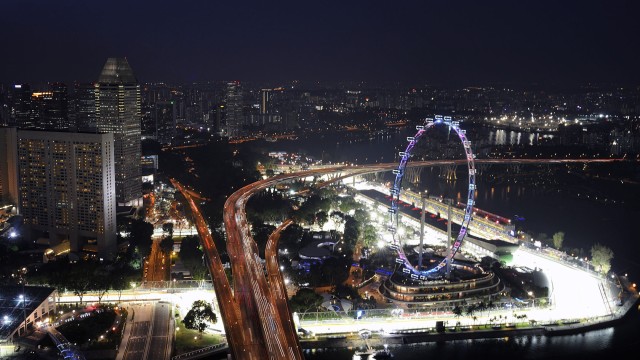
Marina Bay Street Circuit
Singapore Singapore
Type: street circuit
Races: Singapore Grand Prix
Seasons: 2008–2011
Races held: 3
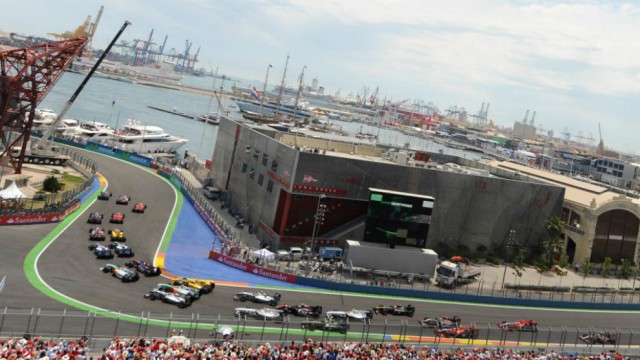
Valencia Street Circuit
Valencia Spain
Type: street circuit
Races: European Grand Prix
Seasons: 2008–2012
Races held: 5
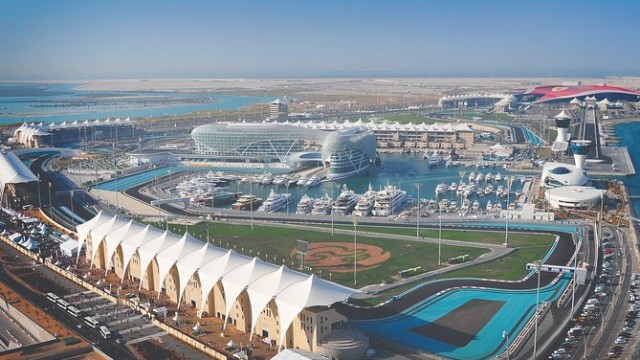
Yas Marina Circuit
Abu Dhabi UAE
UAE
Type: hybrid
Races: Abu Dhabi Grand Prix
Seasons: 2009–present
Races held: 13
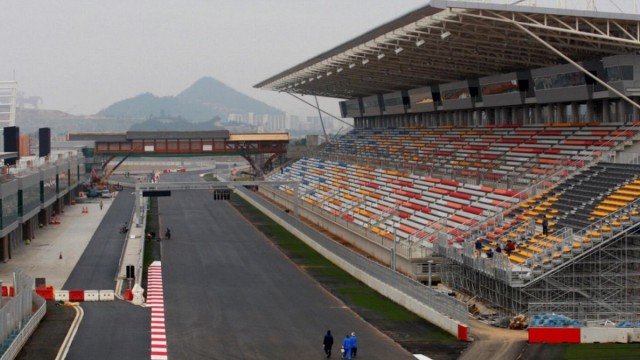
Korean International Circuit
Yeongam South Korea
Type: street circuit
Races: Korean Grand Prix
Seasons: 2010–2011
Races held: 1
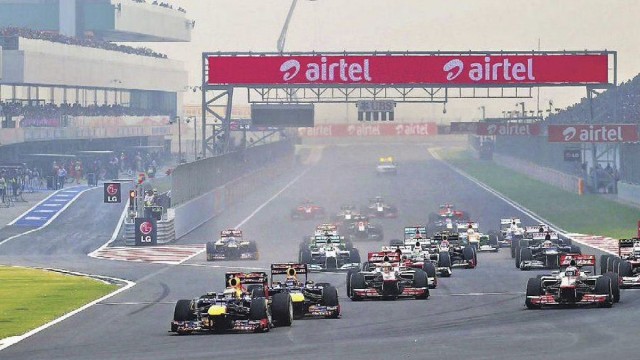
Buddh International Circuit
Greater Noida India
India
Type: race circuit
Races: Indian Grand Prix
Seasons: 2011–2013
Races held: 3
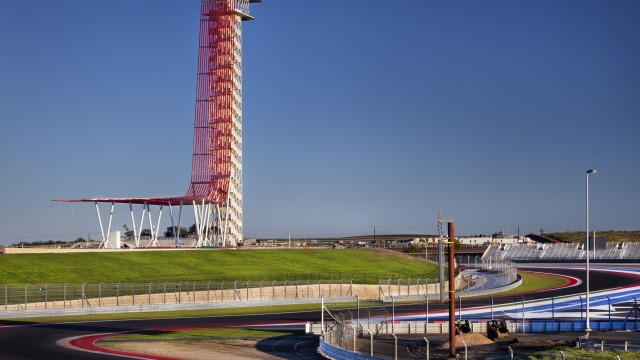
Circuit of the Americas
Austin USA
Type: race circuit
Races: United States Grand Prix
Seasons: 2012–2019, 2021–present
Races held: 8
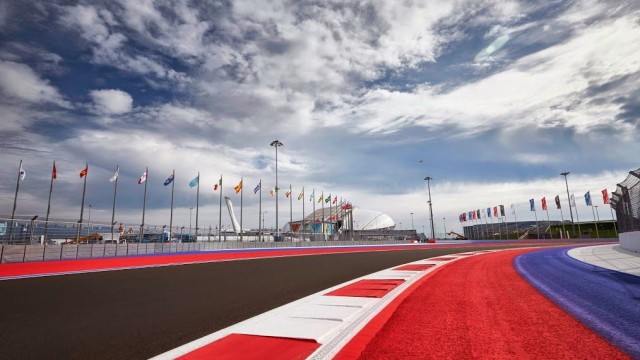
Sochi Autodrom
Sochi Russia
Type: race circuit
Races: Russian Grand Prix
Seasons: 2014–2021
Races held: 8
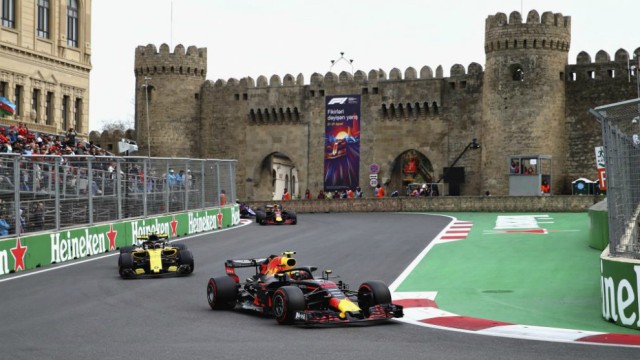
Baku City Circuit
Baku Azerbaijan
Type: street circuit
Races: Azerbaijan Grand Prix and European Grand Prix
Seasons: 2016, 2017–2019, 2021–presen
Races held:
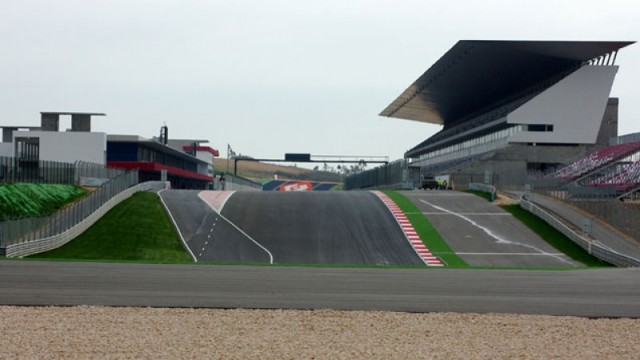
Algarve International Circuit / Portimão
Portimão Portugal
Type:
Races: Portuguese Grand Prix
Seasons: 2020–present
Races held: 2
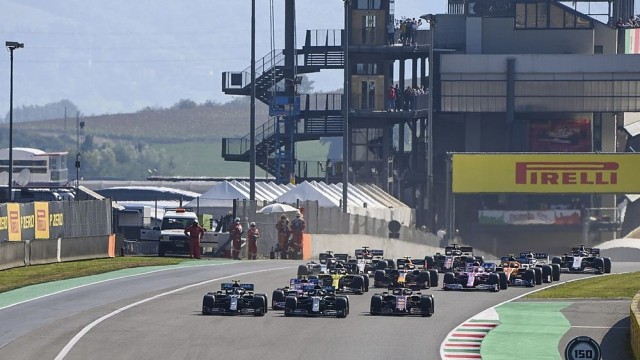
Mugello Circuit
Scarperia e San Piero Italy
Type: race circuit
Races: Tuscan Grand Prix
Seasons: 2020
Races held: 1
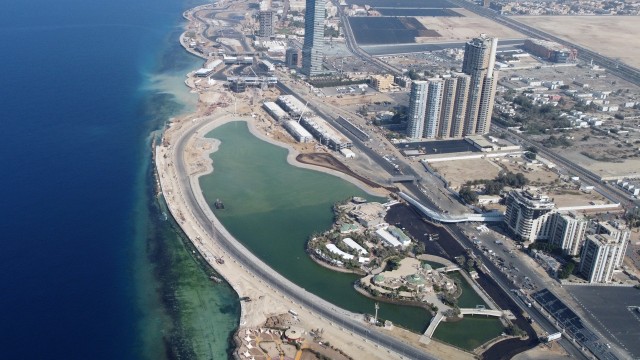
Jeddah Corniche Circuit
Jeddah Saudi Arabia
Type: street circuit
Races: Saudi Arabian Grand Prix
Seasons: 2021–present
Races held: 1
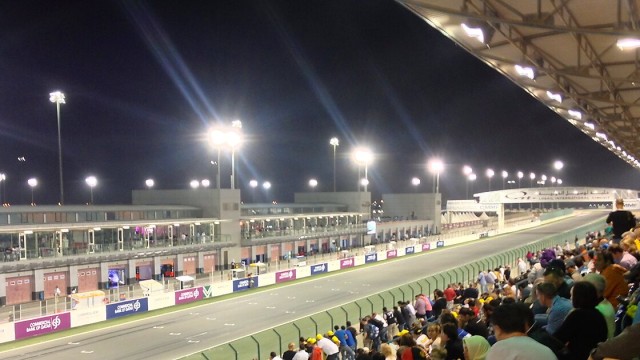
Losail International Circuit
Losail Qatar
Qatar
Type: race circuit
Races: Qatar Grand Prix
Seasons: 2021
Races held: 1
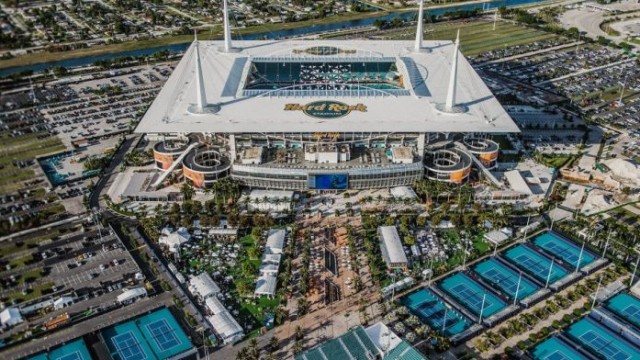
Miami International Autodrome
Miami USA
Type: street circuit
Races: Miami Grand Prix
Seasons:
Races held:
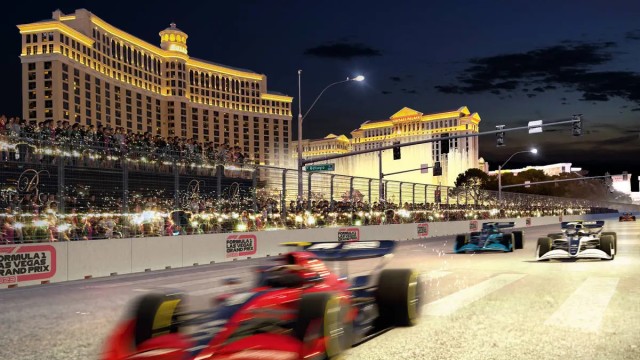
Las Vegas Strip
Las Vegas USA
Type: street circuit
Races: Las Vegas Grand Prix
Seasons: 2023
Races held: 1

Importance of circuits in F1
Formula 1 is not merely a competition between drivers and engineers; it is, at its core, a constant dialogue between machine and asphalt. The circuits are the stages that define the character of each season, and their diversity and evolution reflect the history of motorsport itself.
Every track is a unique technical puzzle. The importance of a circuit lies in how it challenges different facets of the car: while a track like Monza (the "Temple of Speed") demands minimum aerodynamic drag and pure engine power, the tight, twisting streets of Monaco reward mechanical grip and millimeter-perfect precision. This variety ensures that no single car is perfect in all conditions, forcing teams to innovate and adapt week after week.
The current mix of circuits is what makes the championship a truly global and comprehensive test:
- Classic Permanent Circuits: Venues like Spa-Francorchamps (Belgium) or Silverstone (UK) are the soul of the sport. They feature natural elevation changes and legendary high-speed corners—like Eau Rouge or Maggotts and Becketts—that define the DNA of F1.
- Street Circuits: These represent the challenge of proximity. From the classic glamour of Monte Carlo to the dizzying speeds of Jeddah or the neon spectacle of Las Vegas, there is no margin for error here; one centimeter too wide means ending your race in the wall.
- The "Tilkedromes": Modern circuits designed by Hermann Tilke (such as Abu Dhabi or Bahrain). These are characterized by impeccable facilities, expansive asphalt run-off areas for safety, and long straights followed by heavy braking zones specifically designed to encourage overtaking.
The evolution of F1 tracks has been driven by two primary forces: safety and commercial reach. In the early decades, circuits were often dangerous public roads with almost no protection for drivers. Following the tragedies at Imola in 1994, circuit design changed radically. Wide run-off areas were introduced, dangerous corners were reprofiled, and high-tech Tecpro barriers replaced simple tire walls.
In the modern era, evolution is also about the "fan experience." Newer circuits are being integrated into the heart of major cities to bring the sport closer to the public. Furthermore, advanced computer simulations are now used during the design phase to ensure the layout promotes "wheel-to-wheel" racing and minimizes the "dirty air" effect.
F1 circuits specific technical requirements
An FIA Grade 1 license is the highest certification a racing circuit can achieve and is a mandatory requirement for hosting a Formula 1 Grand Prix. To earn this, a track must meet rigorous standards concerning its physical layout, safety features, and medical infrastructure.
Physical Track Dimensions
The FIA sets strict geometry and size limits to ensure competitive and safe racing:
- Length: The track must be at least 3.5 km long. While there is no hard upper limit, the FIA typically recommends staying under 7 km to manage lap times and emergency response.
- Width: A minimum width of 12 meters is required across the entire layout. Permanent tracks usually target closer to 15 meters to facilitate overtaking.
- Straights: To keep speeds within manageable safety margins, no single straight can exceed 2 km in length.
- The Start/Finish: The starting line should be at least 250 meters before the first corner to allow the pack to thin out safely after the lights go out.
Safety and Infrastructure
Safety is the paramount concern for Grade 1 homologation, involving advanced protective systems:
- Barriers and Run-offs: Tracks must feature specific combinations of grass, sealed asphalt run-off areas, and energy-absorbing barriers like Tecpro or SAFER walls.
- The Starting Grid: For Grade 1, grid spots must be spaced exactly 8 meters apart to give cars enough room during standing starts.
- High-Tech Light Panels: Since 2022, homologated digital light panels are mandatory for Grade 1 circuits to ensure flag signals are visible to drivers at all times and in all weather conditions.
- Medical Center: A permanent, state-of-the-art medical center is required. It must be staffed by specialized trauma teams, including two surgeons and two doctors proficient in resuscitation.
Maintaining the License
A Grade 1 license is not permanent. It is typically granted for a period of three years, after which the FIA conducts a full re-inspection to ensure the track hasn't deteriorated and that it meets the latest safety regulations. Interestingly, a track can retain its Grade 1 status even if it is not currently on the F1 calendar, as seen with venues like Indianapolis or Sepang.
Current Grade 1 circuits are not currently being used by Formula 1
Although the Formula 1 calendar is currently at its record capacity of 24 races, there are approximately 19 circuits with an FIA Grade 1 license that do not currently host a Grand Prix. These tracks meet all technical and safety requirements to host an F1 race immediately but remain off the schedule for financial, political, or logistical reasons.
Historic Circuits "on the Bench"
Some of the most iconic names in motorsport hold the required certification but have lost their spot on the calendar:
- Sepang (Malaysia): Widely considered one of the best modern designs, it left F1 in 2017 due to high hosting fees.
- Hockenheim and Nürburgring (Germany): Both maintain Grade 1 status, but the lack of financial backing has left Germany without a Grand Prix for several years.
- Estoril and Portimão (Portugal): Portimão was a popular addition during the pandemic and remains a top-tier reserve track, recently securing a deal to return in 2027 and 2028.
- Fuji Speedway (Japan): The modern alternative to Suzuka, owned by Toyota, which hosted races in the late 2000s.
Grade 1 Circuits Never or Rarely Used by F1
Several modern tracks built specifically for F1 have either fallen out of use or primarily host other categories:
- Buddh International Circuit (India): Hosted F1 between 2011 and 2013 and still maintains its license.
- Istanbul Park (Turkey): Famous for its high-speed "Turn 8," it returned briefly in 2020 and 2021.
- Chang International (Thailand) and MotorLand Aragón (Spain): While Grade 1 certified, these are primarily used for MotoGP.
- Dubai Autodrome and Kuwait Motor Town: Luxurious facilities in the Middle East that have never been part of the official F1 calendar.
The Imola Case (2026)
Starting in 2026, the Autodromo Enzo e Dino Ferrari (Imola) will join this list, as it has been dropped from the calendar to make room for new additions like the Madrid Street Circuit.
The rotation system F1 plans to use for European races
Formula 1 is shifting its business model in Europe to accommodate growing global demand without exceeding the 24-race limit preferred by teams and drivers. Starting in 2026, a biennial rotation system will be implemented for several historic venues.
How the Rotation Works
Instead of holding a race every year, two circuits will be "paired" and alternate on the calendar. One circuit hosts the Grand Prix in even years (e.g., 2026), and the other hosts it in odd years (e.g., 2027).
The Most Likely Pairings
While Formula One Management (FOM) is still finalizing contracts, the following movements are the most probable:
- Zandvoort (Netherlands) & Spa-Francorchamps (Belgium): This is the most logical pairing due to their geographic proximity. They would share a single slot in the European leg of the season, alternating years.
- Barcelona & Madrid (Spain): With the new IFEMA Madrid Street Circuit debuting in 2026, the Circuit de Barcelona-Catalunya’s future is under pressure. A rotation is being discussed so that Spain keeps its two historic markets without taking up two permanent slots on the calendar.
- Monza & Imola (Italy): Italy is currently the only European country with two permanent races. From 2026 onwards, it is highly likely they will have to alternate to make room for new venues in markets like Asia or South America.
Why Move to This System?
- Economic Sustainability: Many European circuits struggle to pay the high hosting fees compared to state-funded races in the Middle East. Rotating allows them to spread the financial burden over a longer period.
- Increased Demand: By hosting a race only once every two years, organizers hope to drive up ticket demand and local excitement, making each event a "must-see" biennial festival.
- Global Expansion: This system frees up 2-3 spots on the calendar for strategic new markets like Bangkok, Incheon, or a potential return to South Africa.